
Key Takeaways
- British Grand Prix odds is narrow enough for GridOdds to target without fighting the existing championship odds pages.
- The article should link up to the live odds, next-race, and core Polymarket explainers instead of replacing them.
- Screenshots and infographics make the market workflow visible, which is more useful than a thin keyword page.
British Grand Prix odds is the kind of search term a young site can realistically earn because the intent is specific. The reader is not asking for every Formula 1 result on the internet. They want a practical answer about odds, probability, or race-week context, and that is exactly where GridOdds has a defensible angle.
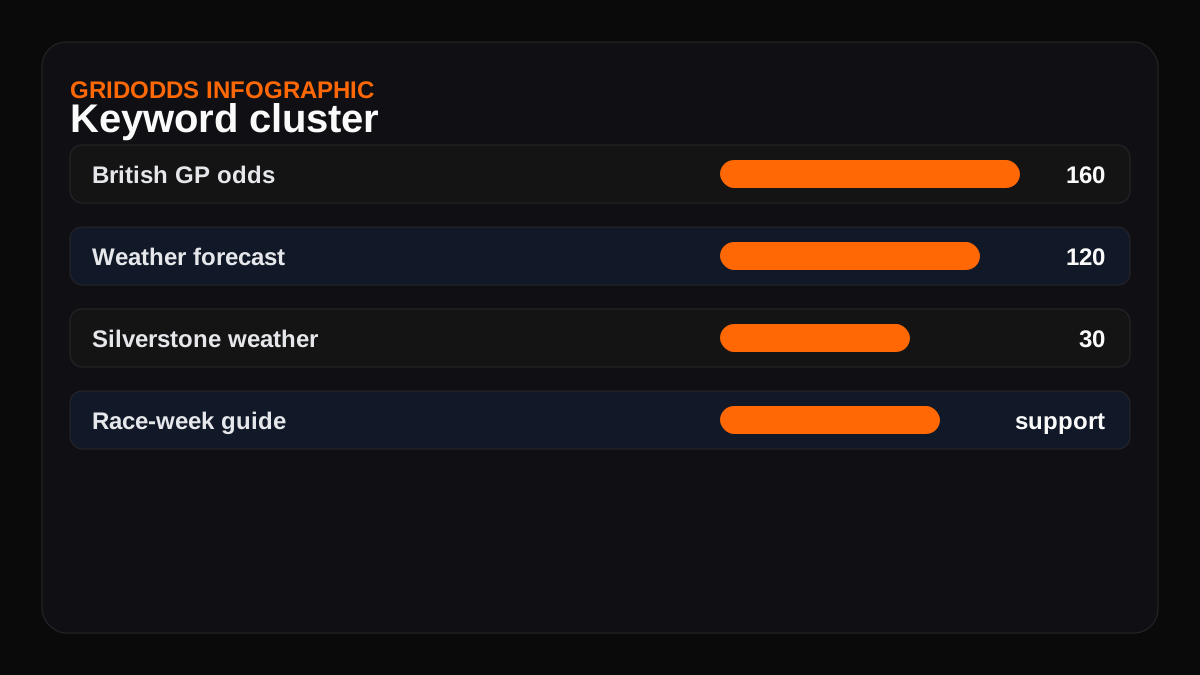
We checked this against fresh DataForSEO output on 19 June 2026 and filtered out broad terms that would be too hard or would cannibalize existing pages. The goal is not to publish another generic F1 odds article. The goal is to build a tight support page that strengthens the existing drivers' championship odds, constructors' championship odds, next race, and live odds pages.
What the Keyword Really Wants
The searcher behind British Grand Prix odds is usually past the casual-news stage. They already know Formula 1 is happening and they want a decision framework: which market should I look at, what does the price mean, and what new information could move it? That is a much better fit for GridOdds than broad news coverage.
The important SEO boundary is focus. This article should answer the narrow query completely, then send readers to the correct pillar page for live data. That gives Google a clean topical relationship: the article explains the concept, while the product page supplies the changing market table.
How the Market Signal Works
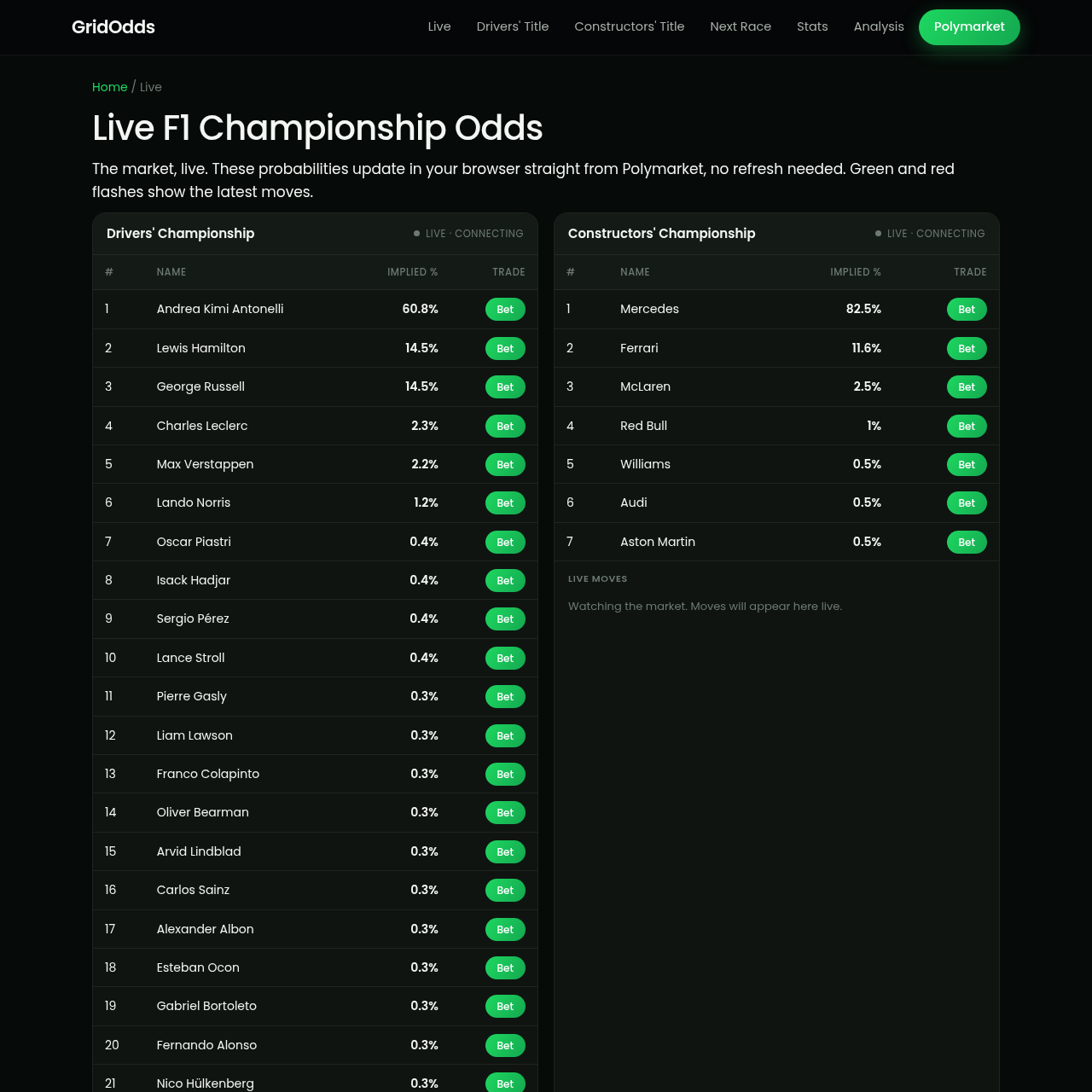
Prediction-market prices are useful because they already speak in probability. A price of 0.37 means the market implies a 37 percent chance. That direct translation lets a reader compare the market with standings, qualifying, weather, or team form without first removing a sportsbook margin.
That does not mean the market is always right. It means the price is a live benchmark. If a driver has strong qualifying pace but the market has not moved, the gap is worth inspecting. If rain risk rises and the favourite remains priced as if the race is dry, the article can explain why that mismatch matters.
The GridOdds Workflow
A useful GridOdds workflow starts with the live market, checks the relevant standings page, then overlays race-week context. For championship topics, that means points gap, remaining rounds, teammate pressure, and constructor strength. For event topics, it means qualifying, weather, circuit profile, and any confirmed grid penalties.
- Start with live market movement, because stale odds are usually misleading.
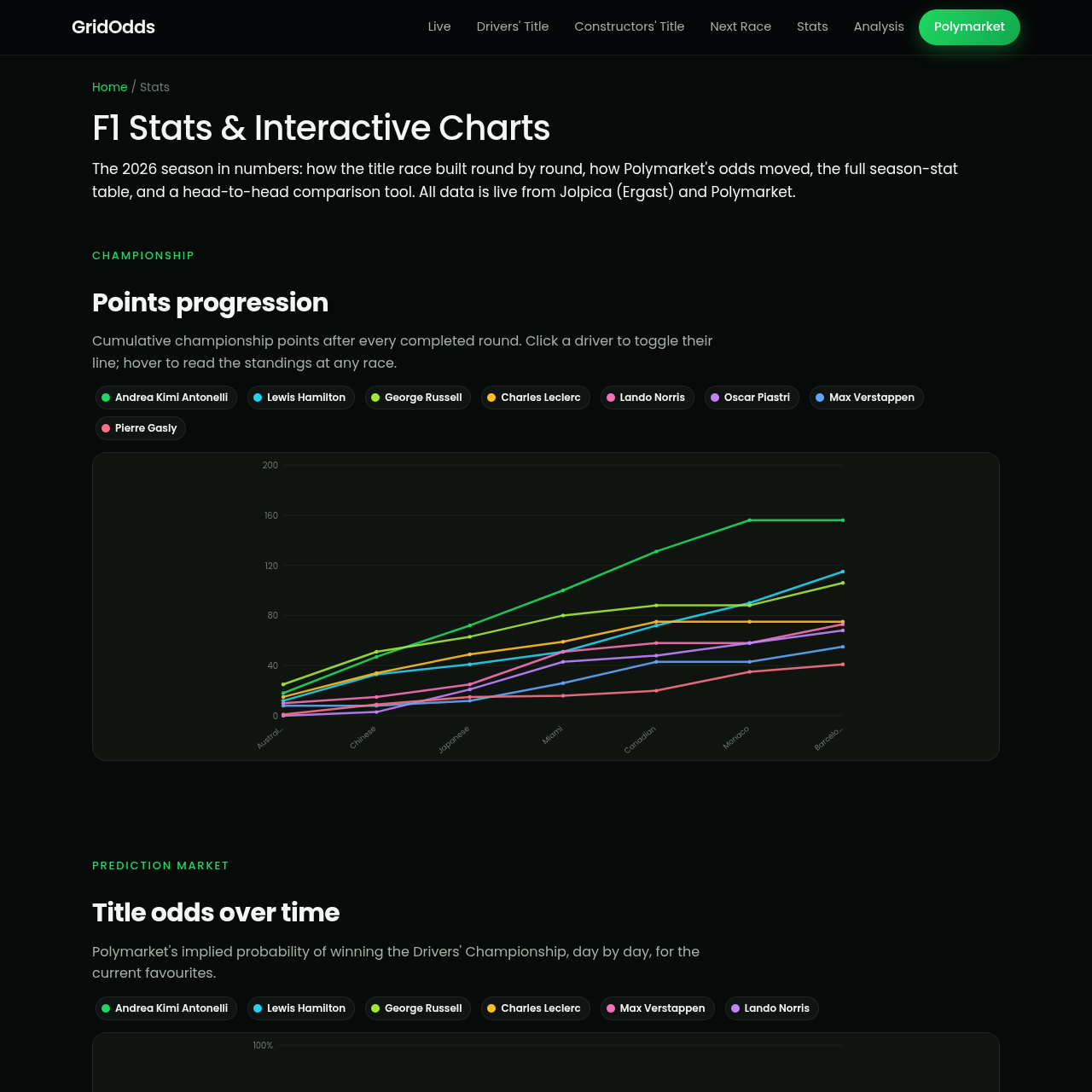
- Use driver title probabilities and team probabilities as the season-level anchor.
- Check the next race page for schedule and weather context before treating a price move as meaningful.
- Use Polymarket's public market pages as the external source of truth for contract structure and resolution language.
Mistakes to Avoid
The most common mistake is comparing two numbers that answer different questions. A race-week price, a championship price, and a qualifying result are connected, but they are not interchangeable. Treating them as the same signal leads to bad analysis and thin content.
The second mistake is chasing generic traffic. Broad terms such as F1 standings and Formula 1 news have huge search volume, but they are not where GridOdds has the clearest edge. A narrower page can rank faster because it gives a precise answer and supports the stronger live-data pages.
Where This Fits in the Cluster
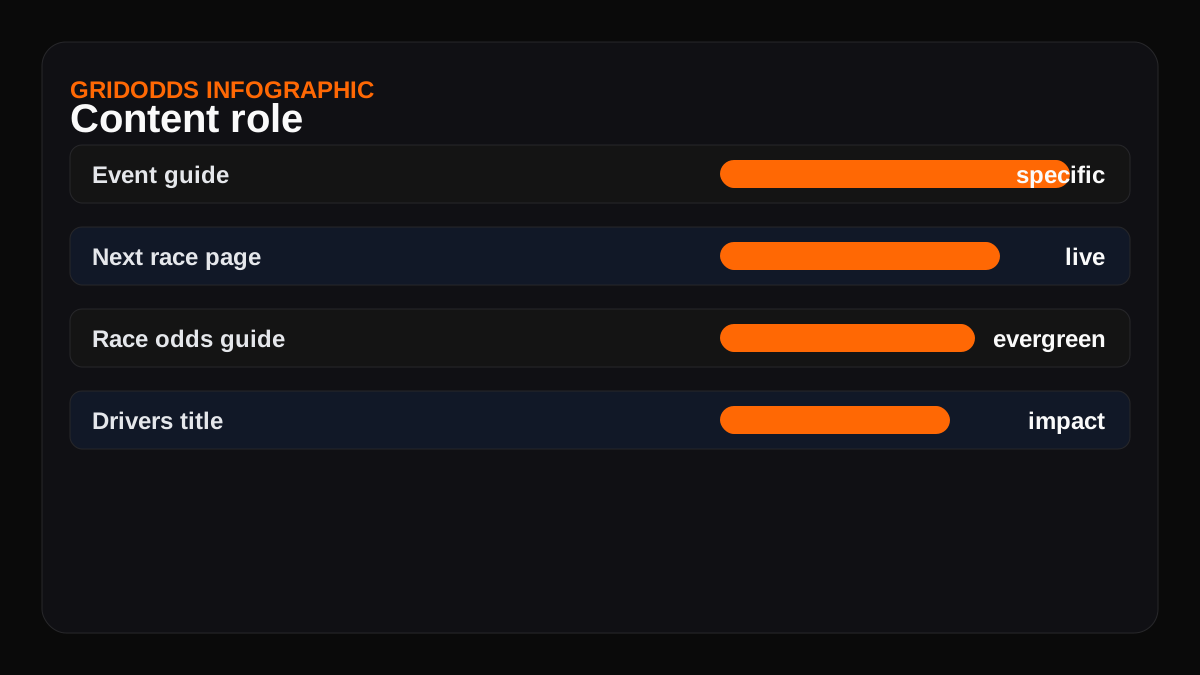
This article belongs in the race-week and market-education cluster. It should receive internal links from related posts and link back to the live data pages. That makes it a spoke, not a competing pillar.
For readers who want the broader mechanics, the F1 on Polymarket guide explains Yes/No market structure. For one-race pricing, the F1 Grand Prix odds guide explains race-winner markets. For current market prices, use GridOdds Live.
Additional Ranking Notes
Example: How a Silverstone Forecast Changes the Price
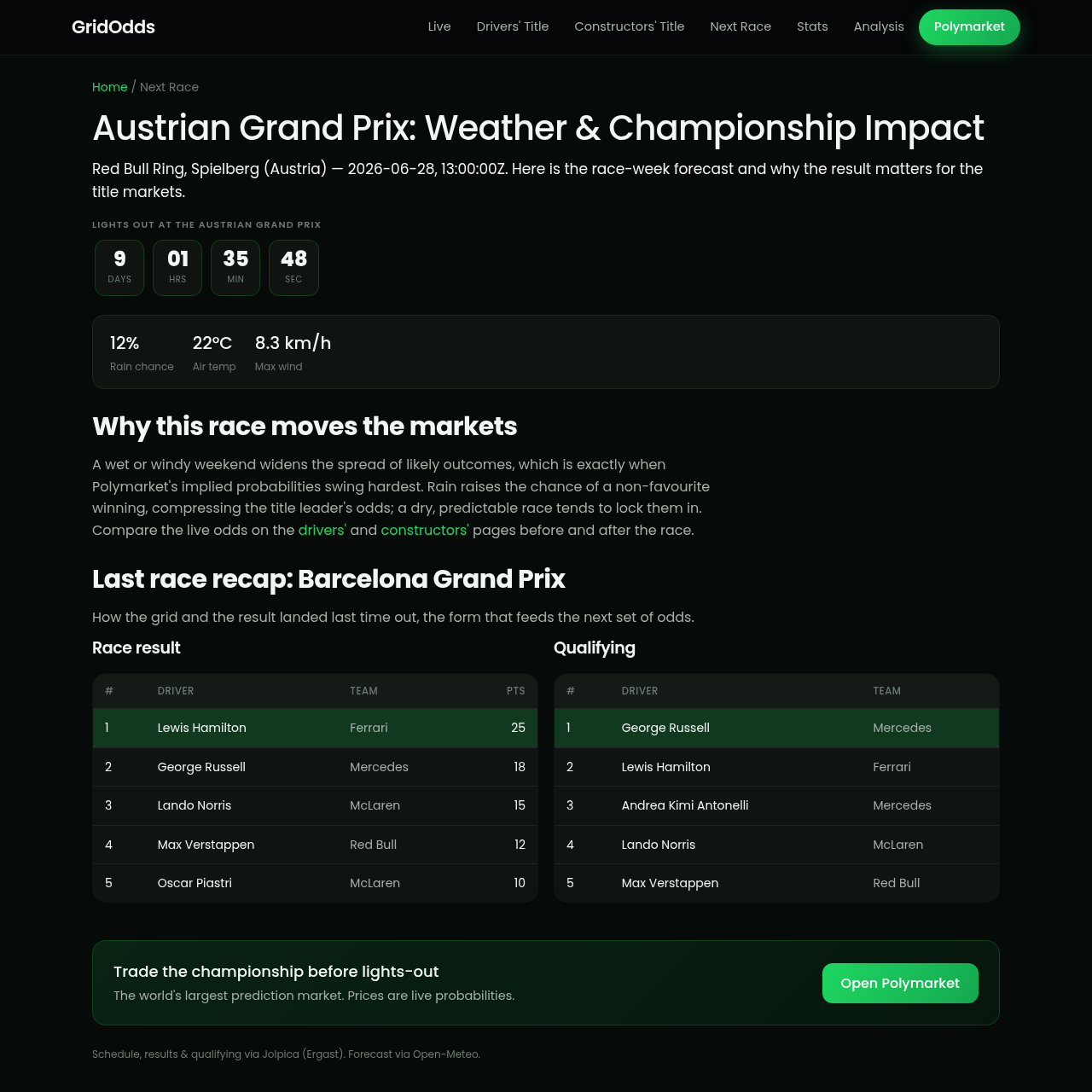
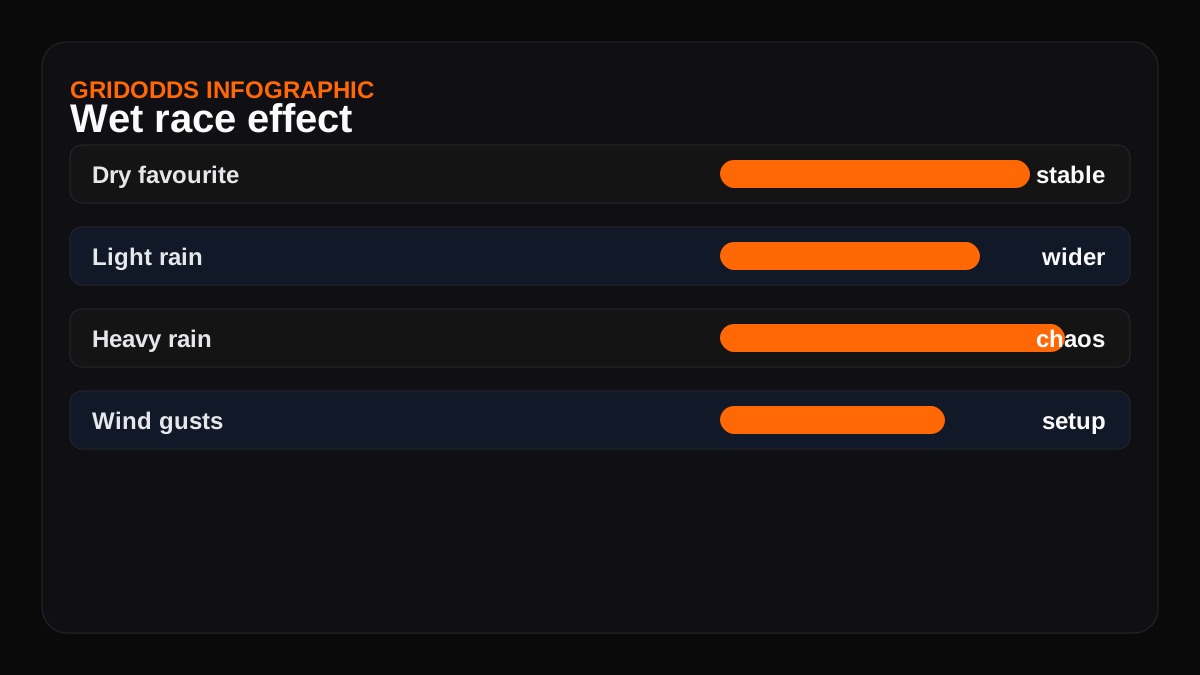
Imagine the market prices the dry-weather favourite at 42 percent on Friday. If the Sunday forecast is stable and practice long runs confirm pace, that price can be reasonable. If the forecast shifts toward gusty, cool, mixed conditions, the same 42 percent may be too rich because the race has more ways to become messy.
The market does not need to make the favourite an underdog for weather to matter. A drop from 42 percent to 35 percent is already a large probability move. Event-specific articles help readers understand that a seven-point probability shift can be meaningful even when the headline favourite remains unchanged.
Silverstone Signals Worth Capturing in Infographics
- Wind risk through high-speed corners.
- Dry race pace versus wet-race variance.
- Pole value compared with Spa, Monaco, and Monza.
- Championship impact if the title leader loses points.
- Where the article links into the live odds and next-race pages.
Search Intent and SERP Angle
A searcher looking for British Grand Prix odds may be close to a race-week decision. A searcher looking for British Grand Prix weather forecast may not be thinking about odds yet, but the weather answer naturally leads to market probability. Combining the two intents is the edge: weather changes odds, and GridOdds can explain the bridge.
That is more useful than writing a generic Silverstone preview. The article should be visibly data-led with screenshots, weather framing, and probability language in the headings.
Gold Standard Analysis Layer
Silverstone Market Profile
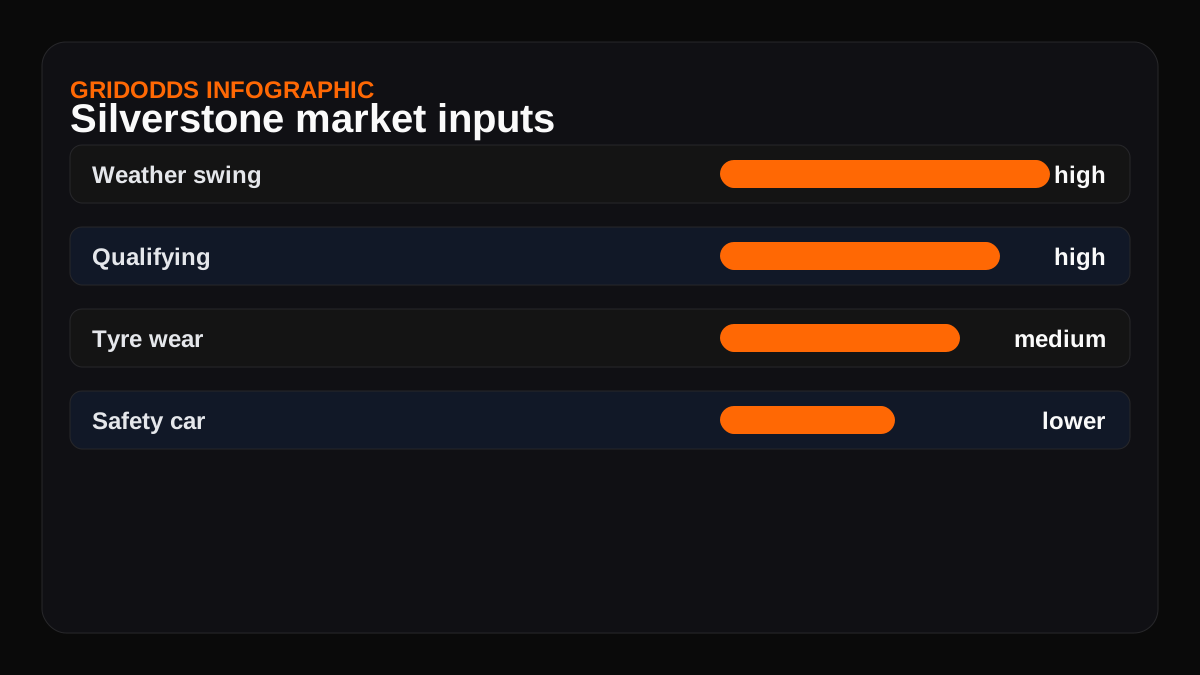
Silverstone rewards efficient high-speed balance. That matters for odds because not every quick car is quick in the same way. A car that dominates slow corners can look less secure through the fast sections, especially when wind direction changes between sessions. British Grand Prix odds should therefore be read through car balance, not only recent form.
The circuit also tends to create enough overtaking that qualifying is important but not always final. A driver can recover if race pace is strong, but dirty air, tyre degradation, and safety-car timing still shape the probability. That makes Silverstone different from Monaco-style track position markets.
Weather Scenarios to Price
Stable dry race
A stable dry Silverstone weekend usually rewards the strongest race car. If practice and qualifying agree, the market can be fairly efficient. The favourite shortens, the second-fastest team remains live, and long shots need strategy or incidents.
Gusty qualifying
Wind can change confidence through high-speed corners. If qualifying is gusty but the race is calmer, the Saturday grid may overstate the true race order. If both qualifying and race are gusty, drivers with stable cars may deserve a larger premium.
Mixed-condition race
Mixed conditions widen the market. Strategy calls become more important, safety-car risk rises, and the fastest dry car loses some certainty. This is where event-specific weather content helps because a general F1 odds page cannot cover the Silverstone setup properly.
What to Update Before British GP Week
- Current next-race weather screenshot from GridOdds.
- Current championship leader and closest challenger.
- Any open race-specific Polymarket market.
- Recent Silverstone pole-to-win and safety-car context from the stats page.
- Internal links to the weekend odds and weather odds articles.
Why This Page Will Not Cannibalize the Race Odds Guide
The Grand Prix odds guide explains how race-winner markets work. This page explains why one specific Grand Prix has a different weather and circuit profile. The intent is different. Someone searching British Grand Prix odds or Silverstone weather forecast wants an event page, not a general market mechanics lesson.
That separation is good SEO architecture. The event page links up to the general guide, and the general guide links down to event examples when relevant.
Why Silverstone Deserves Its Own Odds Page
The British Grand Prix has enough search demand to stand alone, and Silverstone has a specific market profile. It is fast, exposed, and sensitive to wind direction. A generic race odds guide cannot cover that properly without becoming bloated. A Silverstone page can answer the event-specific query and link back to the broader race-week framework.
The DataForSEO niche check found British Grand Prix odds, British Grand Prix weather forecast, and Silverstone weather variants with low competition. That is exactly the type of cluster a new site should build: not one giant F1 odds article, but specific event pages that reinforce the main odds hub.
Silverstone Weather Signals to Watch
Rain matters, but wind can be just as important at Silverstone. Fast corners punish cars that are unstable in gusts, and crosswinds can change confidence through high-speed sections. Cool track temperature can also make tyre warm-up harder, which affects qualifying and early stint pace.
The market angle is simple: a stable dry forecast usually rewards the fastest car, while mixed conditions widen the probability range. That can shorten adaptable drivers and lengthen favourites who rely on a narrow setup window.
How British Grand Prix Odds Should Link Internally
This page should link to the weekend odds guide for process, the Grand Prix odds guide for market mechanics, and the next-race page for live schedule/weather. It should also link to the championship pages because Silverstone points swings can reshape title probability.
Content Refresh Plan
Refresh this article in the week before Silverstone with the current weather screenshot, current championship leader, and any active race market. Keep the evergreen explanation intact so the page keeps its ranking base between race weeks.
External references worth checking are Polymarket for market listings, Formula1.com for official race context, and Open-Meteo when weather affects the race-week interpretation.
Final SEO Notes
Reader Outcome
The reader should leave knowing why Silverstone odds cannot be judged from recent form alone. Weather, wind, tyre temperature, and high-speed balance all change the probability picture. The article should make a casual searcher more sophisticated and then send them to the live GridOdds pages for current data.
That is the ranking angle: specific enough for British Grand Prix queries, but useful enough to strengthen the broader race-week cluster.